
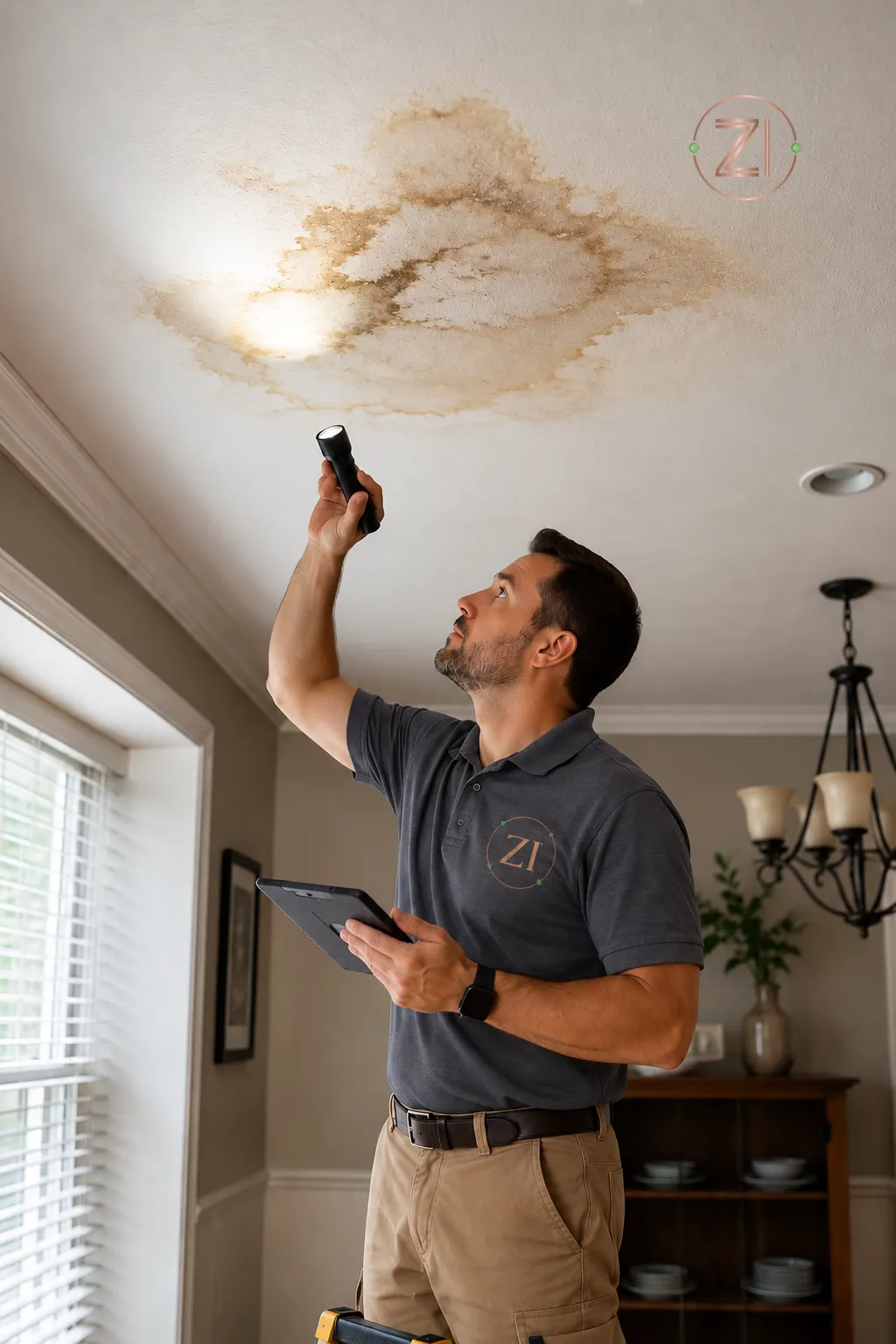
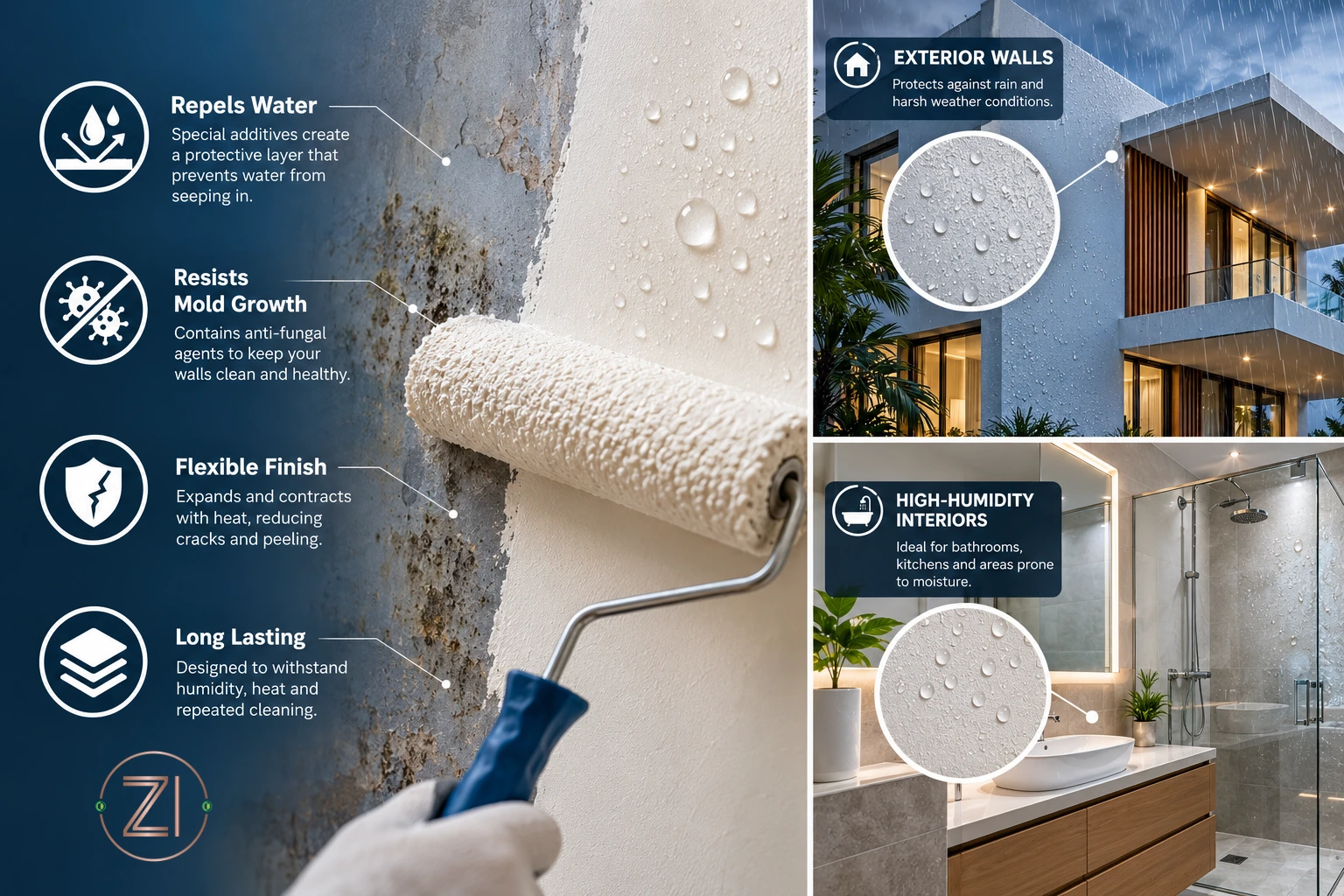
Most people think about how flooring looks, but not enough people think about how it holds up when water gets involved. Between humidity that never really goes away and the occasional heavy rain we’ve been seeing more of lately, flooring in Dubai homes needs to handle a lot more moisture than people usually plan for. Pick the wrong material, and you’re looking at warping, staining, or a musty smell that just won’t go away.
At ZZI Interiors, flooring comes up in nearly every project we work on. As an interior designer in Dubai, we’ve seen which materials genuinely hold up here and which ones start showing problems the first time real weather tests them. Here’s what actually works.
Why Flooring Needs Extra Thought Here
It’s not just about spills or the odd rainy day. Humidity sits in the air constantly, and it seeps into materials slowly over time, especially in ground floor units or homes near the coast. Add in occasional heavy rain finding its way through balcony doors or entrances, and flooring ends up dealing with way more moisture exposure than most homeowners realize until something goes wrong.
Porcelain Tiles Are Still the Safest Bet
Porcelain handles moisture better than almost anything else out there. It doesn’t absorb water, doesn’t warp, and cleans up easily if water does pool on it during rain. It’s also naturally cool underfoot, which is a nice bonus during Dubai summers. Honestly, this is why so many homes across the city default to porcelain in living rooms, hallways, and entryways.
Natural Stone Needs a Bit More Care
Marble and other natural stone floors look genuinely stunning, but they need proper sealing to resist water and staining. Without it, moisture can seep into the stone and cause discoloration over time. A lot of our villa interior designer in Dubai clients still go with marble for entryways and formal living areas, just with proper sealing built into the maintenance plan from the start.
Engineered Wood Over Solid Hardwood
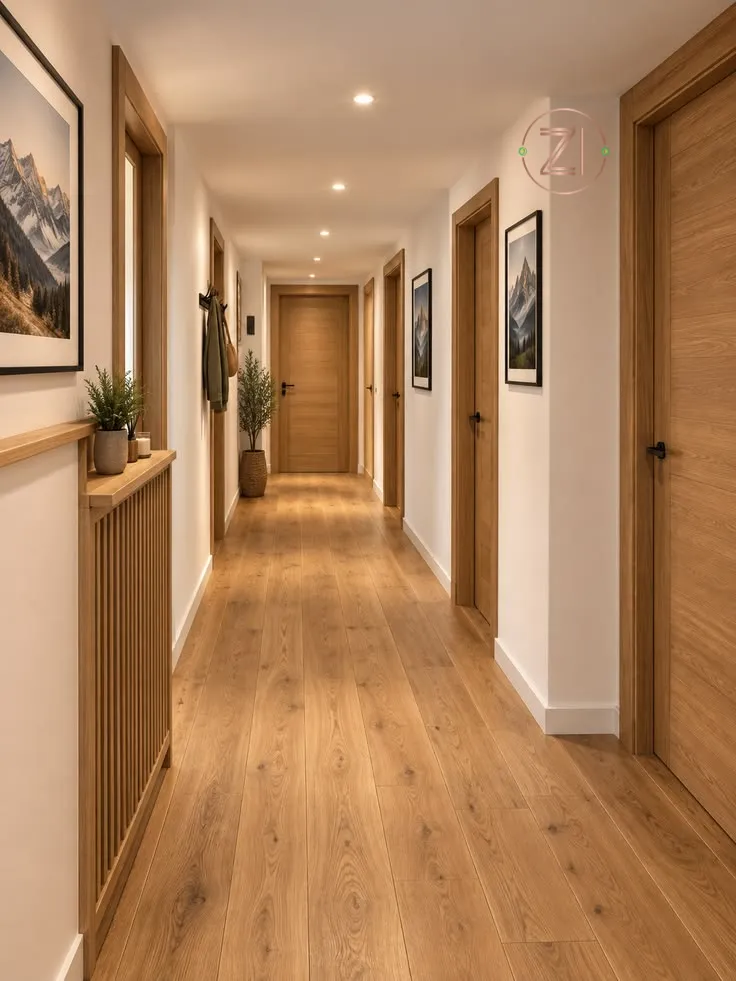
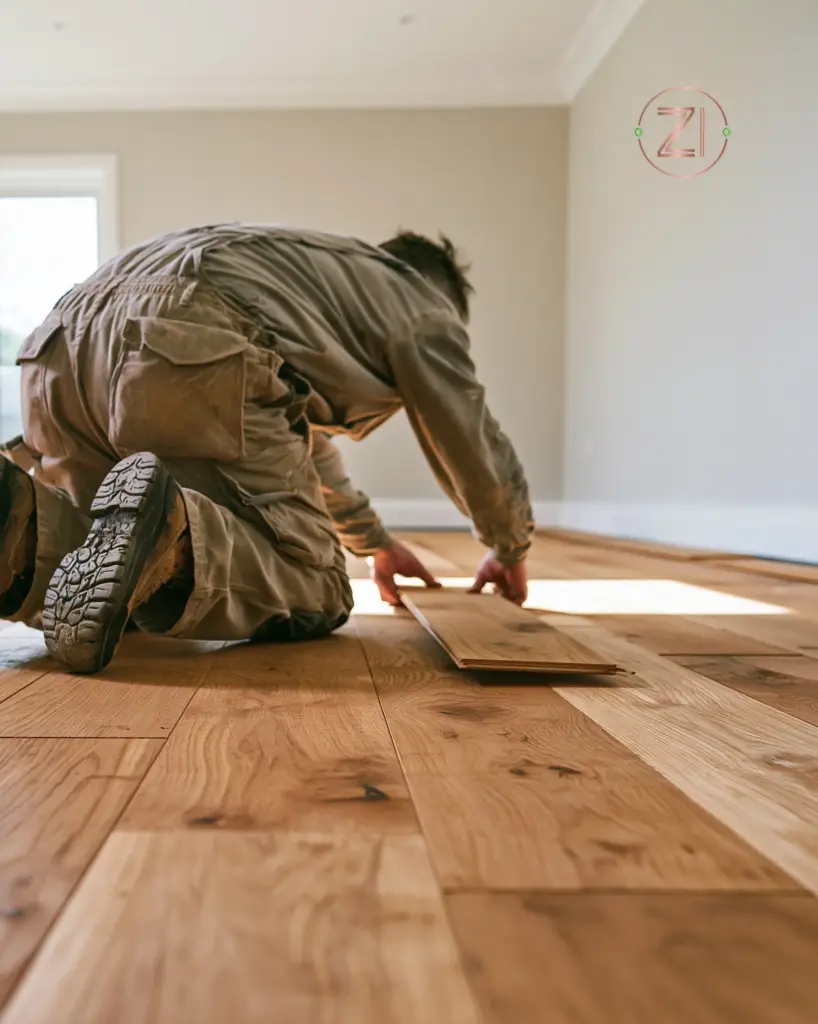
Solid hardwood really doesn’t do well here, humidity and the occasional water exposure cause it to warp or crack faster than people expect. Engineered wood handles moisture noticeably better while still giving that warm, natural wood look people want for bedrooms or study rooms. It’s become the go-to alternative for anyone who still wants wood flooring without the constant repair headache.
Vinyl Flooring for Budget-Conscious Spaces
Vinyl handles humidity surprisingly well and is genuinely water-resistant, which makes it a solid pick for spaces where budget matters and moisture is a real concern, like rental apartments or secondary bedrooms. It’s come a long way in design too, a lot of vinyl now looks close enough to real wood or stone that most people can’t tell the difference.
What to Avoid Near Entrances and Balconies
Untreated wood, certain carpets, and unsealed natural stone all struggle in areas exposed to rain or high moisture, like entrances, balconies, and areas near sliding doors. Water pooling here regularly can cause real damage if the flooring isn’t built to handle it. This is exactly the kind of detail covered in a proper best guide for interior design in Dubai, since the areas closest to doors and windows usually need the most moisture-resistant materials in the whole house.
Drainage Matters as Much as the Material Itself
Even the best flooring won’t help much if water has nowhere to go. Sloped flooring near entrances, proper drainage near balconies, and small barriers at door thresholds all make a real difference during heavy rain. It’s worth discussing this with a best interior designer in Dubai during planning, rather than dealing with pooling water after it’s already caused damage.
What’s Trending in Flooring Right Now
A few things gaining popularity lately include large-format porcelain tiles for a seamless, moisture-resistant look, matte finishes that hide water marks better than glossy ones, engineered wood replacing solid hardwood in more homes, and waterproof vinyl planks becoming a common choice for budget renovations.
Final Thoughts
Flooring isn’t something you want to redo every couple of years, so it’s worth picking materials that can actually handle Dubai’s humidity and the occasional heavy rain, not just ones that look good in a showroom. A little extra thought now saves a lot of repair costs later.
If you’re planning a renovation or a new build, ZZI Interiors is known as one of the best interior design company in Dubai, helping homeowners choose flooring that genuinely lasts through this climate. Reach out for a free consultation on your next project.