
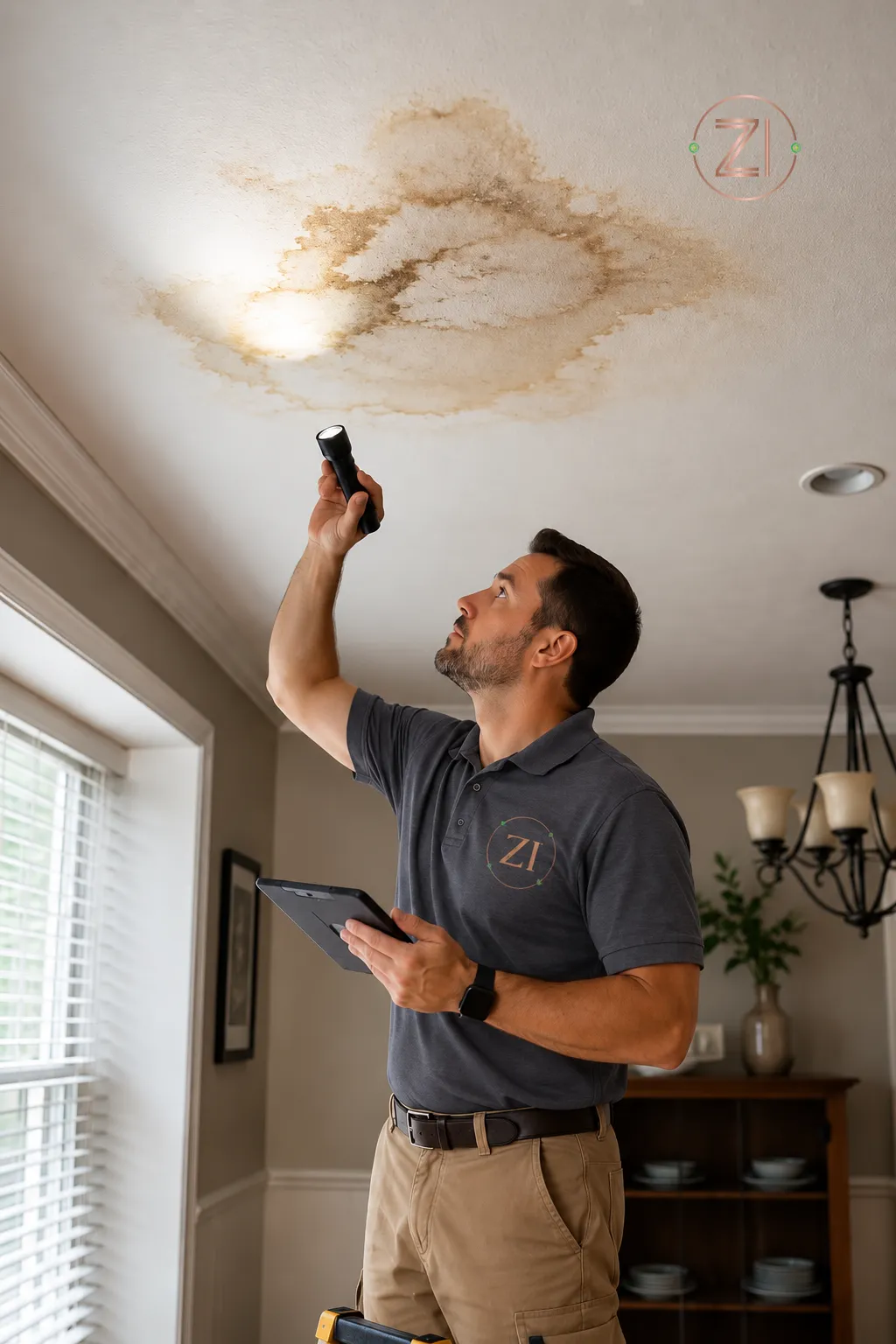
Most Dubai villa owners have been there. The rain hits, and a few hours later something looks wrong. There is a damp patch on the ceiling. The paint near a window starts bubbling. A strange smell fills the room that you just cannot place.
You tell yourself it will dry out. And on the surface, it usually does. But inside your walls? The damage has already started — and it is moving faster than you think.
Why Dubai Villas Struggle with Rain
It sounds strange, but many villas in Dubai were simply not built with rain in mind. For years, construction in the UAE focused on keeping heat out. Waterproofing was often treated as optional or done on a budget.
So when a heavy downpour arrives, water finds every small gap it can. Roof joints, window frames, terrace edges, and wall cracks all become entry points. And once water gets in, it does not stay in one place — it travels through plaster, into wall cavities, and settles deep inside your structure.
The problem with Dubai rain is also its unpredictability. There is no fixed rainy season to prepare for. Storms can arrive in January, March, or even August with very little warning. By the time you notice something is wrong, water has often been sitting inside your walls for hours.
What Is Actually Happening Inside Your Walls
This is the part most homeowners miss — and it is the most damaging stage.
When water enters your villa walls, it does not just make them wet. It starts breaking things down from the inside. Here is what is happening while you go about your day:
Your paint and plaster begin to separate.
Moisture breaks the bond between your wall finish and the surface underneath. First, you see bubbling, then cracking, then large sections of plaster falling off.
Mold and mildew start growing.
They do not need much — just moisture and darkness. Mold begins in wall cavities, behind wardrobes, under windowsills, and in corners near exterior walls. Most of the time you smell it before you see it. That musty odour after rain is almost always a sign that moisture is trapped somewhere inside your wall.
Your interior finishes take a hit.
Fitted wardrobes, wooden flooring, custom joinery — all of these absorb moisture from the walls around them. Warping and swelling follow quickly, and repairs become expensive.
The plaster itself weakens.
Over time, water softens the plaster layer, causes cracks, and in serious cases, leads to chunks breaking away completely.
The tricky part is that most of this damage is invisible at first. Damp patches grow slowly. Mold does not appear overnight. By the time you see a visible sign on your wall, the real damage is already much deeper.
Warning Signs You Should Never Ignore
You do not need to wait for rain to check your villa walls. Look out for these signs right now:
- Yellow or brown stains near ceilings or window frames
- Paint that is bubbling, peeling, or flaking
- A musty or damp smell in rooms with outside walls
- White powdery marks on walls — this is salt left behind by evaporating moisture
- Soft or hollow-sounding plaster when you knock on it
- Mold spots appearing in corners or behind furniture
Even one of these signs tells you that water has already entered your walls. The earlier you deal with it, the cheaper and simpler the fix will be.
Why Repainting Is Not the Answer
This is the most common mistake we see. A homeowner notices a damp patch, paints over it, and moves on. The wall looks fine. Then the next storm comes and the same spot returns — bigger and worse than before.
Painting over the problem does not fix where the water is getting in. Without sealing the actual entry points — the roof, the parapet walls, the window joints, the terrace drainage will always find its way back.
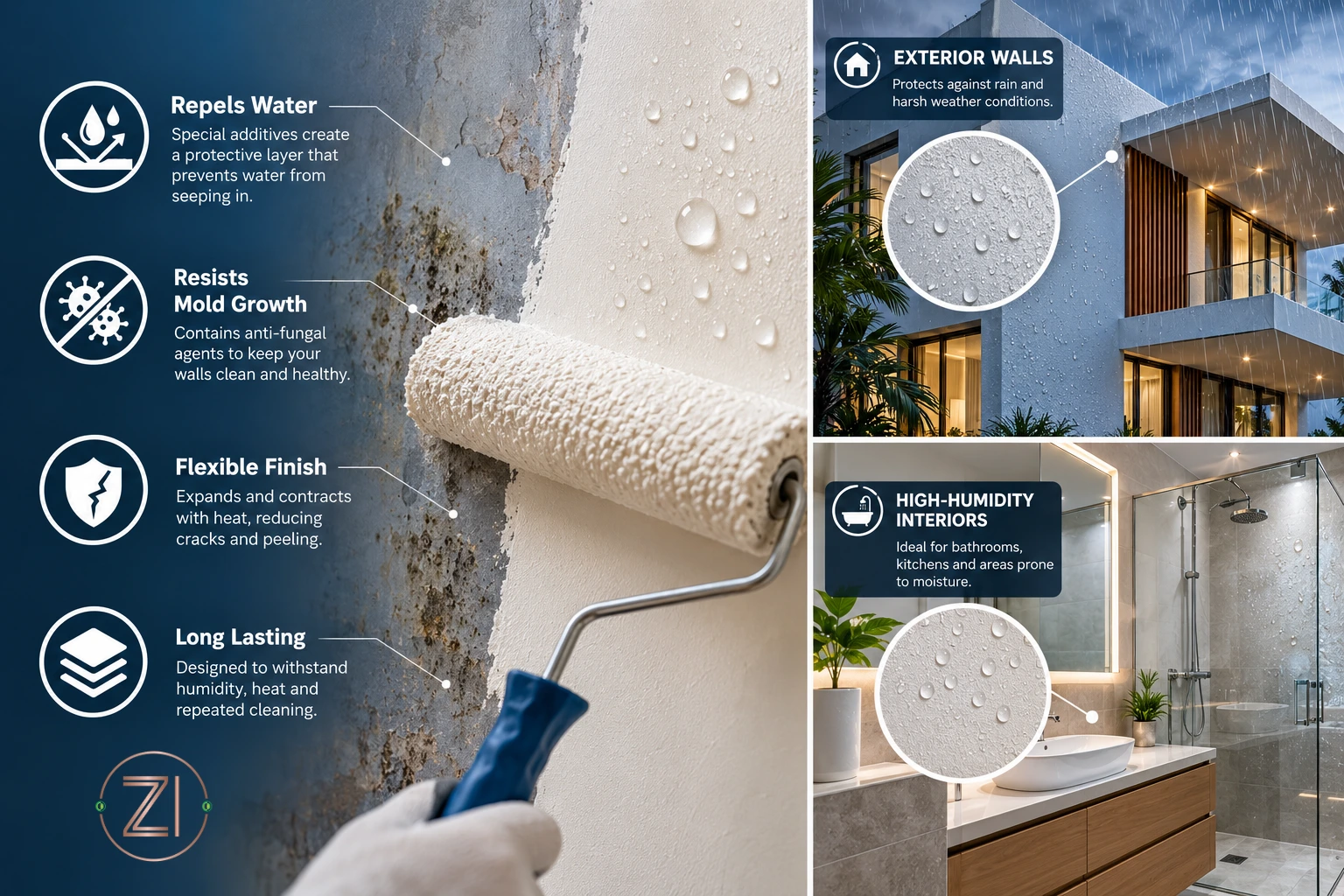
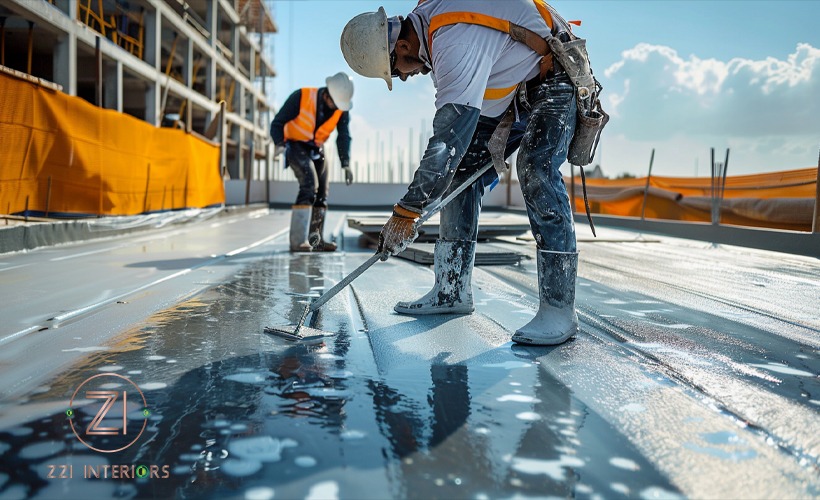
Proper waterproofing needs to go deeper than the surface. It means identifying every gap, sealing it with the right materials, and restoring the wall correctly from the outside in.
How ZZI Interiors Can Help
At ZZI Interiors, we deal with villa wall water damage every week. We know how quickly a small damp patch can turn into a serious structural problem — and we know how to fix it properly, so it does not come back.
Our team starts by finding exactly where the water is entering. We inspect roofs, window joints, terrace drainage, and external walls thoroughly. Then we apply the right waterproofing system for the specific problem — whether that is membrane waterproofing, mesh-reinforced coating, or a full wall restoration.
Once the source is fixed, we bring your interior back to its original standard. The goal is always the same — your villa walls should look beautiful and stay protected, whatever the Dubai sky decides to do.
Contact ZZI Interiors today. Let’s fix your villa walls properly — before the next downpour makes it worse.
ZZI Interiors — Best Interior Design Company in Dubai | Villa Waterproofing | Renovation | Interior Fit-Out