


These two terms get mixed up all the time, and honestly, a lot of people just assume they’re the same thing. They’re not, and picking the wrong one for your property can mean dealing with the same problem again in a year or two, just with a bigger repair bill attached. If you’ve noticed damp patches, musty smells, or peeling paint somewhere in your home, it’s worth understanding which one you actually need before calling anyone in to fix it.
At ZZI Interiors, this comes up a lot, especially with villa owners and older buildings across the city. As an interior designer in Dubai, we get asked to explain the difference more often than you’d think, so here’s the simple version.
What Waterproofing Actually Does
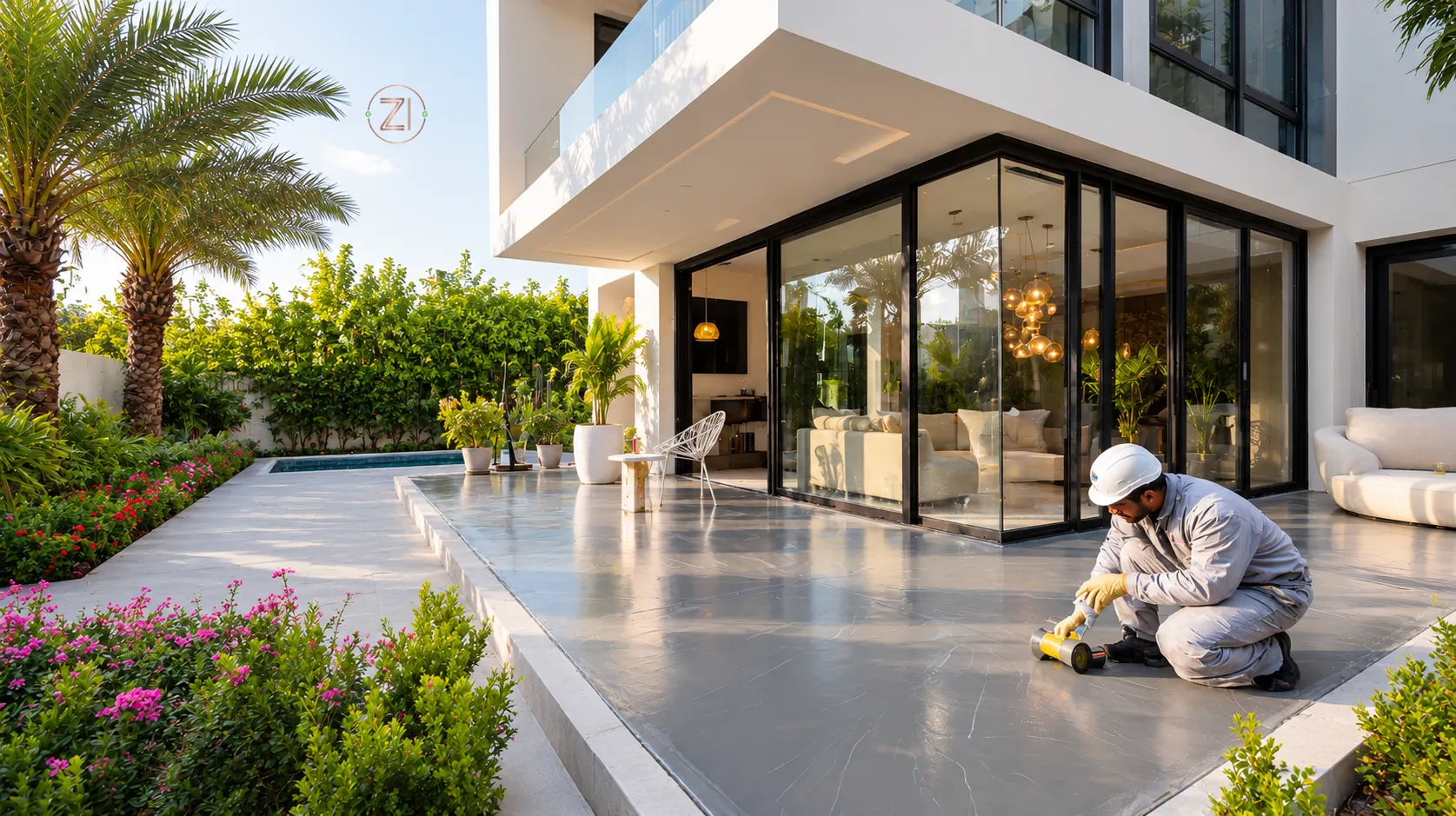
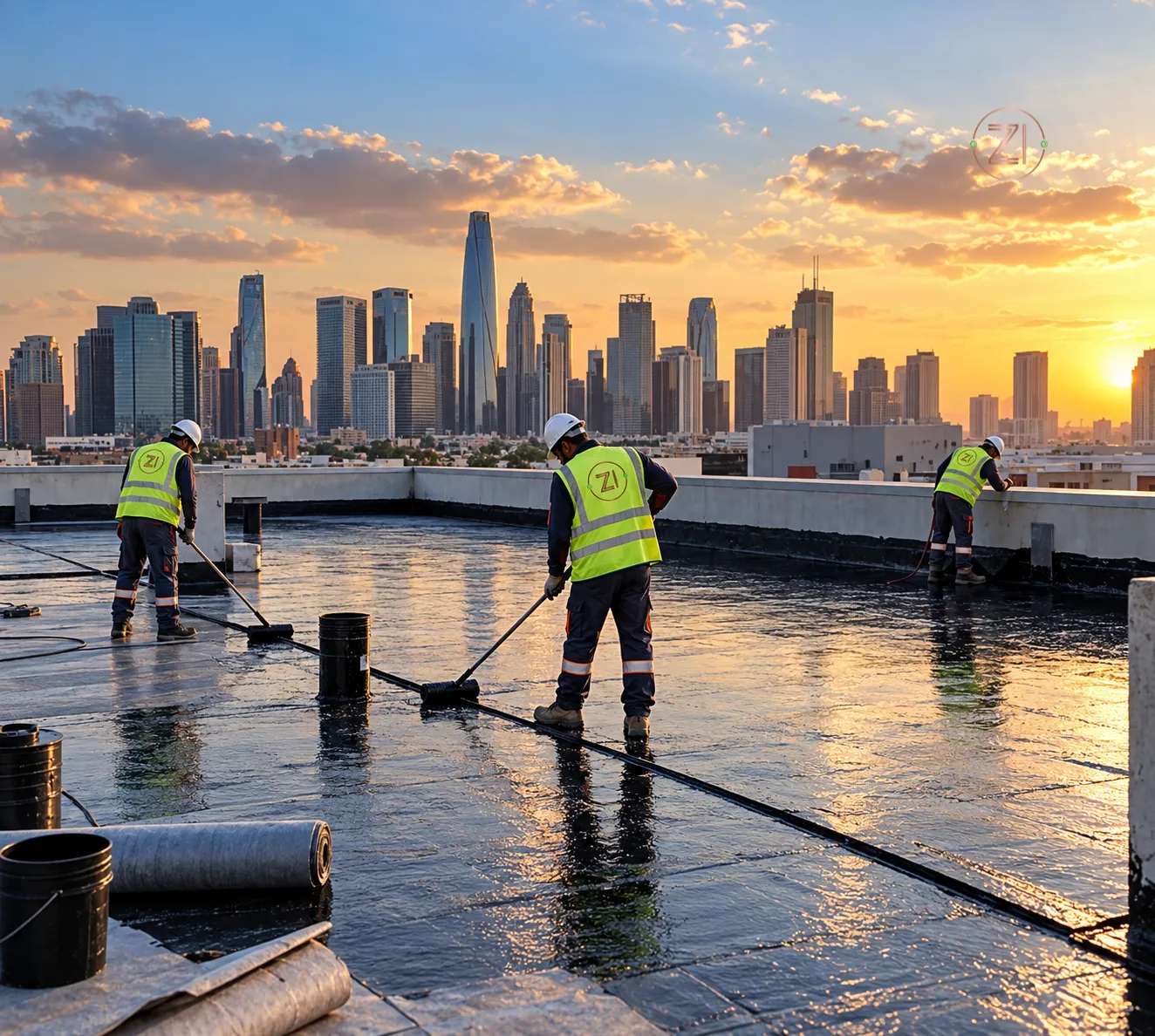
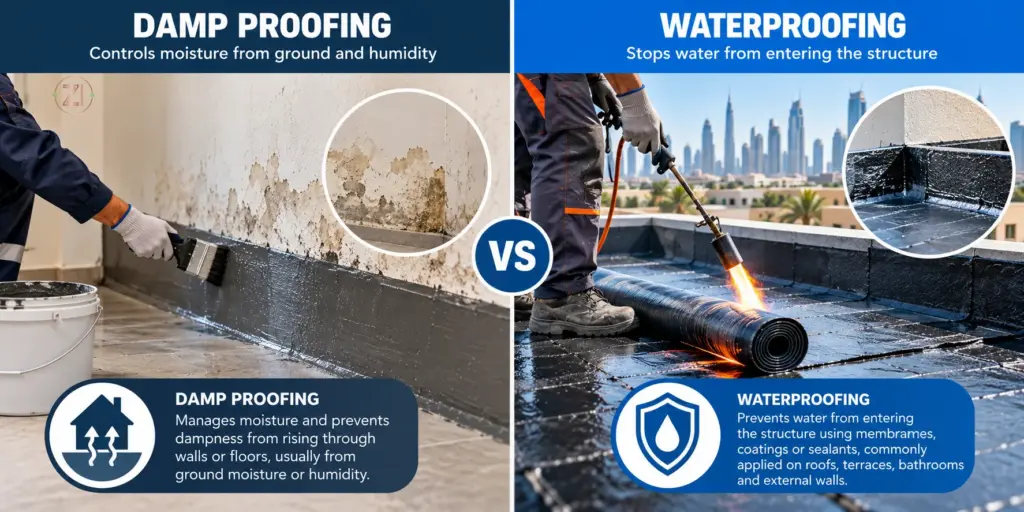
Waterproofing is about stopping water from getting into a structure in the first place. Think rooftops, external walls, bathrooms, basements, anywhere water could potentially seep in from outside or from constant exposure, like rain or plumbing leaks. It usually involves membranes, coatings, or sealants applied during construction or major renovation, and it’s meant to be a proper barrier, not just a surface fix.
What Damp Proofing Actually Does
Damp proofing is a bit different, it’s more about managing moisture that’s already trying to creep in through walls or the ground, usually from humidity or rising ground moisture rather than direct water exposure. It’s common in older buildings or ground floor units where moisture slowly works its way up through walls over time. Damp proofing doesn’t stop water the way waterproofing does, it manages and slows down moisture movement instead.
Why Dubai Properties Need to Think About Both
Dubai’s climate makes this more complicated than people expect. You’ve got intense heat most of the year, but also humidity, occasional heavy rain, and buildings that weren’t always built with long-term moisture control in mind. A water proofing solution in Dubai usually needs to account for both scenarios, direct water exposure from something like a leaking roof, and slow moisture buildup from humidity in poorly ventilated spaces.
Signs You Might Need Waterproofing
If you’re seeing water actively coming through a ceiling after rain, damp patches appearing right after a storm, or water pooling near entrances and balconies, that’s usually a waterproofing issue. Water’s getting in from somewhere specific, and that source needs a proper seal, not just a surface treatment.
Signs You Might Need Damp Proofing
If the damp feels more constant and slow, patches that don’t necessarily get worse after rain but never really go away, a musty smell in a specific room, paint peeling gradually without an obvious water source, that’s usually more of a damp issue related to humidity or ground moisture rather than a leak.
Why Getting This Wrong Costs You Later
Applying damp proofing treatment when the real issue is a waterproofing failure won’t actually fix anything, the water will just keep finding its way in regardless. Same the other way around, waterproofing a wall that’s dealing with rising ground moisture doesn’t address where the moisture is actually coming from. This is exactly why it helps to get a proper assessment from a best interior designer in Dubai before deciding which treatment to go with, rather than guessing based on what a patch looks like.
What This Means for Villa Owners
Villas tend to have more exposed surfaces, roofs, external walls, gardens close to the building, all of which need proper waterproofing during construction or renovation. A villa interior designer in Dubai usually plans for this early, since fixing it after the fact, once walls and finishes are already done, is a lot more expensive and disruptive than just getting it right during the build.
A Quick Way to Think About It
Waterproofing stops water from getting in. Damp proofing manages moisture that’s already trying to move through. Most properties here actually need a combination of both, depending on which part of the building we’re talking about and how exposed it is to weather and ground conditions.
Trending Right Now in Moisture Control
A few things gaining attention lately include proper waterproofing membranes becoming standard for rooftops and balconies, moisture-resistant paints and materials replacing older, untreated options, ventilation improvements to cut down on indoor humidity, and more homeowners asking for moisture assessments as part of regular home maintenance now.
Final Thoughts
Getting this distinction right matters more than people think, since the wrong fix just means the same problem shows up again, usually worse the second time. A proper assessment saves money and a lot of frustration down the line.
If you’re dealing with damp patches or planning ahead for a new build, ZZI Interiors is known as one of the best interior design company in Dubai, helping property owners figure out exactly what their space needs before committing to a fix. Reach out for a free consultation on your next project.